- Serving Sacramento and surrounding Northern California communities

Subterranean Termites in Sacramento, CA
Subterranean termite activity often begins below the structure, where colonies in the soil reach framing through mud tubes, foundation gaps, plumbing openings, and crawlspaces. Because the termites remain concealed as they travel between the ground and the building, damage may develop before activity becomes visible. Fuller Termite serves nearby Northern California communities with targeted treatment based on the entry routes and affected areas found.
What Are Subterranean Termites?
Subterranean termites are wood-destroying insects that live and breed in the soil. Worker termites leave the underground colony to search for wood, reaching a structure through direct soil contact, foundation openings, or enclosed mud tubes that protect them from dry air and predators.
Mature colonies can contain hundreds of thousands of termites and forage at several locations around the same building. They usually consume the softer wood along the grain, leaving thin outer surfaces or harder layers behind. The underground colony may be located well beyond the area where damage is discovered.
How Subterranean Termites Reach a Structure
01
The Colony Lives in the Soil
The colony occupies an underground network of tunnels and chambers. Soil supplies the moisture subterranean termites need to survive while workers search beyond the nest for wood.
02
Mud Tubes Provide Protected Access
Workers build tubes from soil, saliva, and wood particles. These tubes can cross concrete foundations, masonry, pipes, and other surfaces to connect the colony with wood above ground.
03
One Colony Can Reach Several Areas
Foraging termites may enter around a foundation, beneath a slab, inside a crawlspace, or through openings around plumbing and utilities. Activity found in one location does not confirm that it is the only entry point.
- Mud tubes are the most common visible sign of subterranean termites. Live termites found inside a tube or damaged wood confirm active activity.
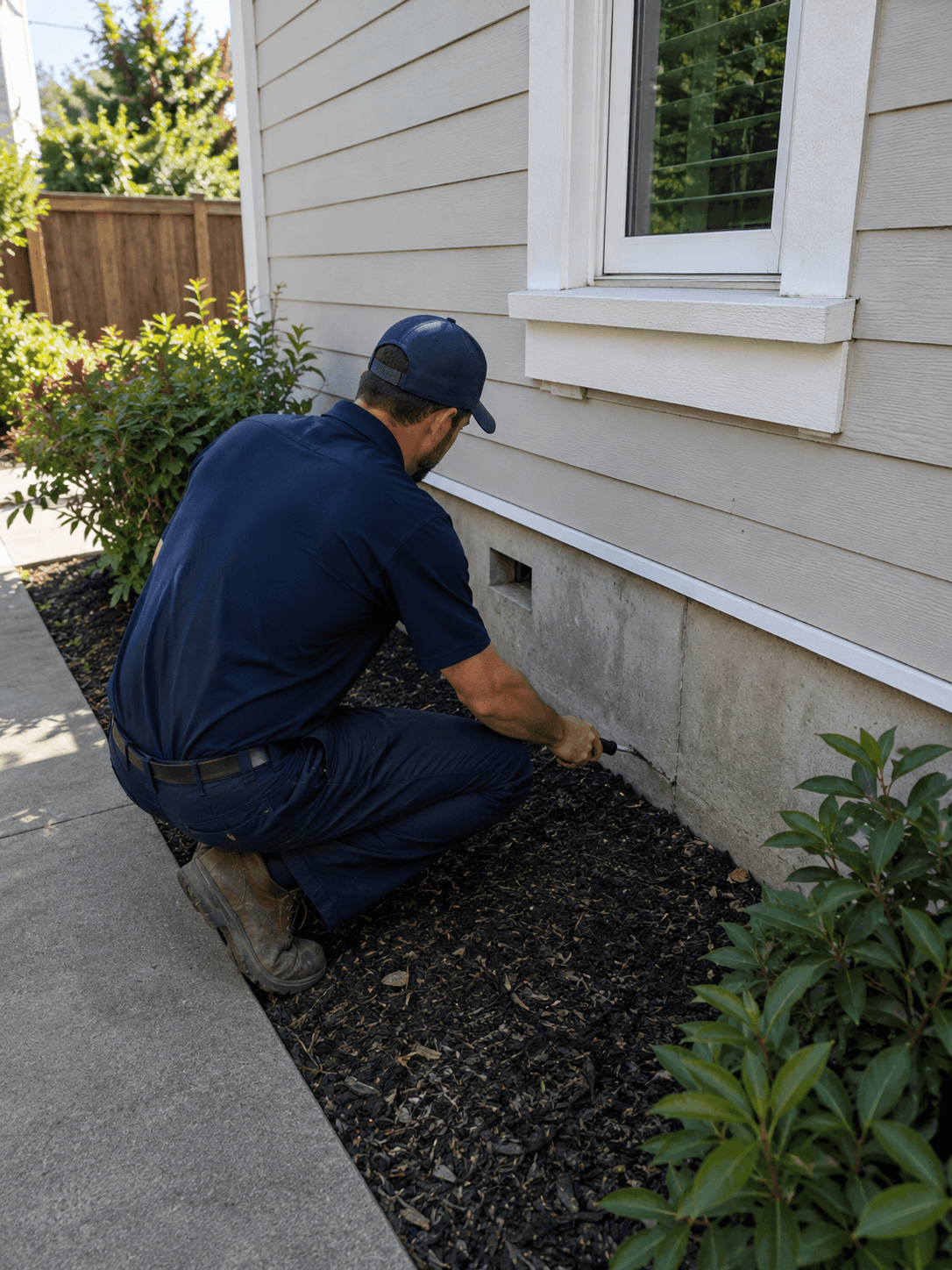
Where Subterranean Termites Enter Sacramento Homes
Subterranean termites enter from the soil through openings that lead toward structural wood. They do not eat through concrete. Workers use existing cracks, construction joints, and utility penetrations, or build mud tubes across foundation surfaces.
Common entry points include:
- Cracks and joints in concrete foundations or slabs
- Gaps around plumbing, drains, conduit, and utility lines
- Crawlspace foundations, support piers, and subfloor framing
- Siding, posts, stairs, or framing that touches the soil
- Stucco or exterior cladding that extends below the soil line and conceals mud tubes
- Deck posts, porch supports, fences, buried lumber, and other wood connected to the structure
Several entry points can be active at the same property. Finding one mud tube identifies a route, but it does not establish the full extent of the infestation.
Signs of Subterranean Termites in Your Home
The main signs of subterranean termites are mud tubes, indoor termite swarms, discarded wings, and wood damaged along the grain. Because most of the colony remains underground, these signs may appear in only one part of the property even when termites are reaching several areas.
Mud Tubes
Winged Termites Indoors
Subterranean termite swarmers are dark-bodied insects with two pairs of equal-length wings. They may emerge through walls, flooring, vents, or foundation openings, often on a warm day following rain.
Discarded Wings
Soft, Darkened, or Blistered Wood
Soil Inside Damaged Wood
Important: A termite swarm in the yard does not automatically mean the building is infested. Swarmers emerging indoors or directly beside the foundation require closer inspection.
How Are Subterranean Termites Treated?
Subterranean termite treatment targets the connection between the underground colony and the building. The appropriate method depends on the construction, soil access, number of active areas, and routes the termites are using to reach the structure.
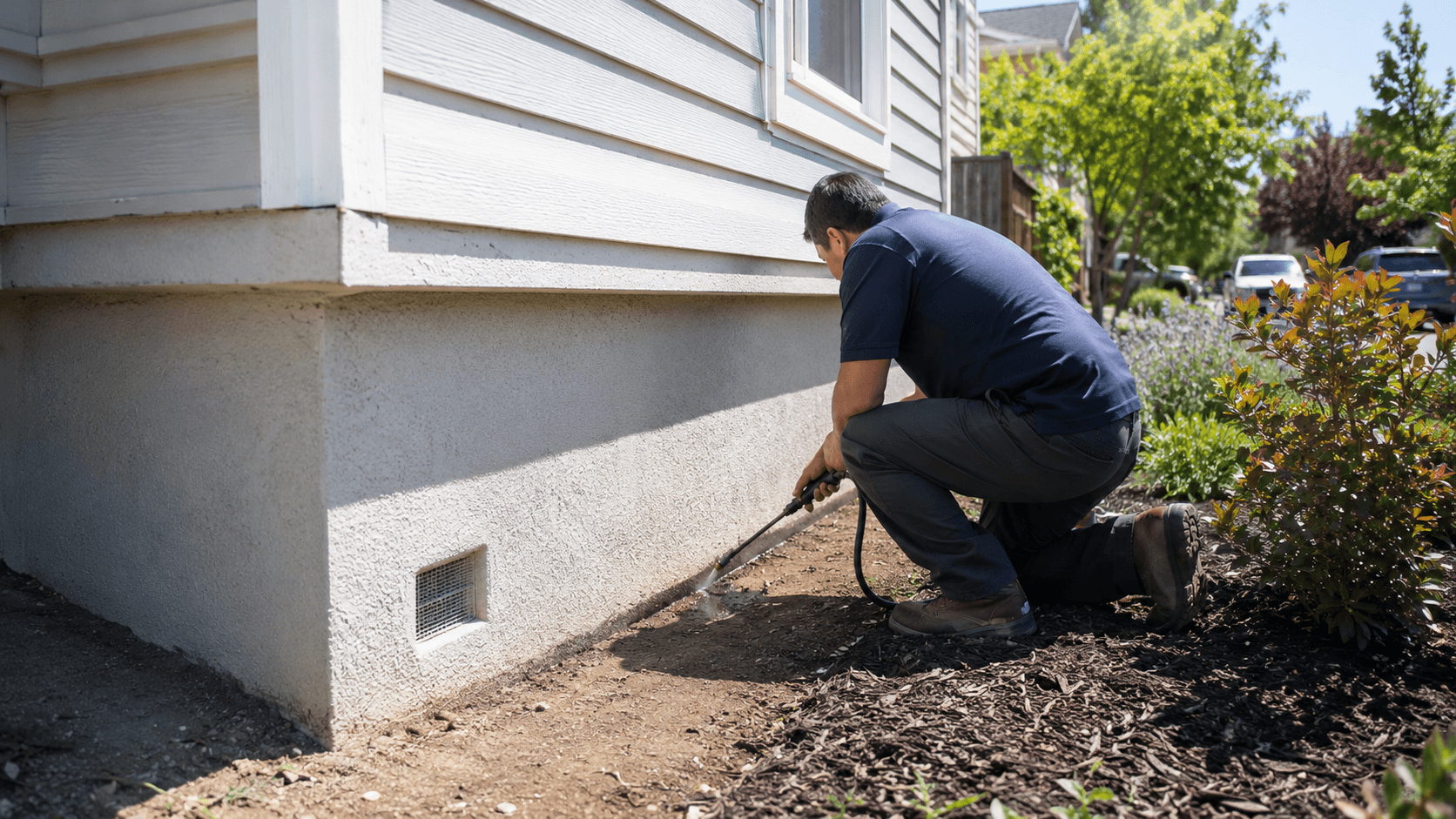
Liquid Soil Treatment
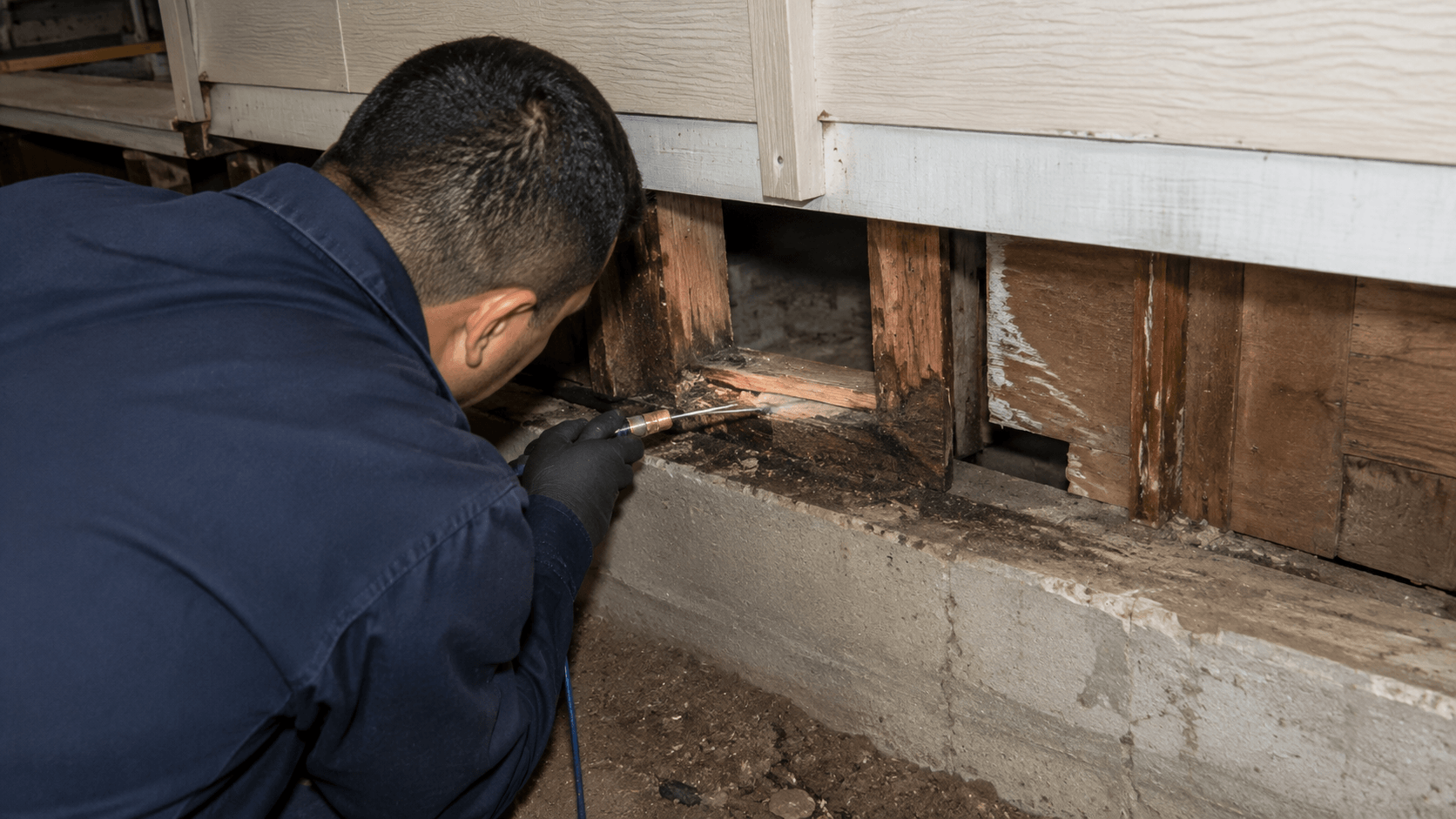
Treatment of Accessible Termite Activity
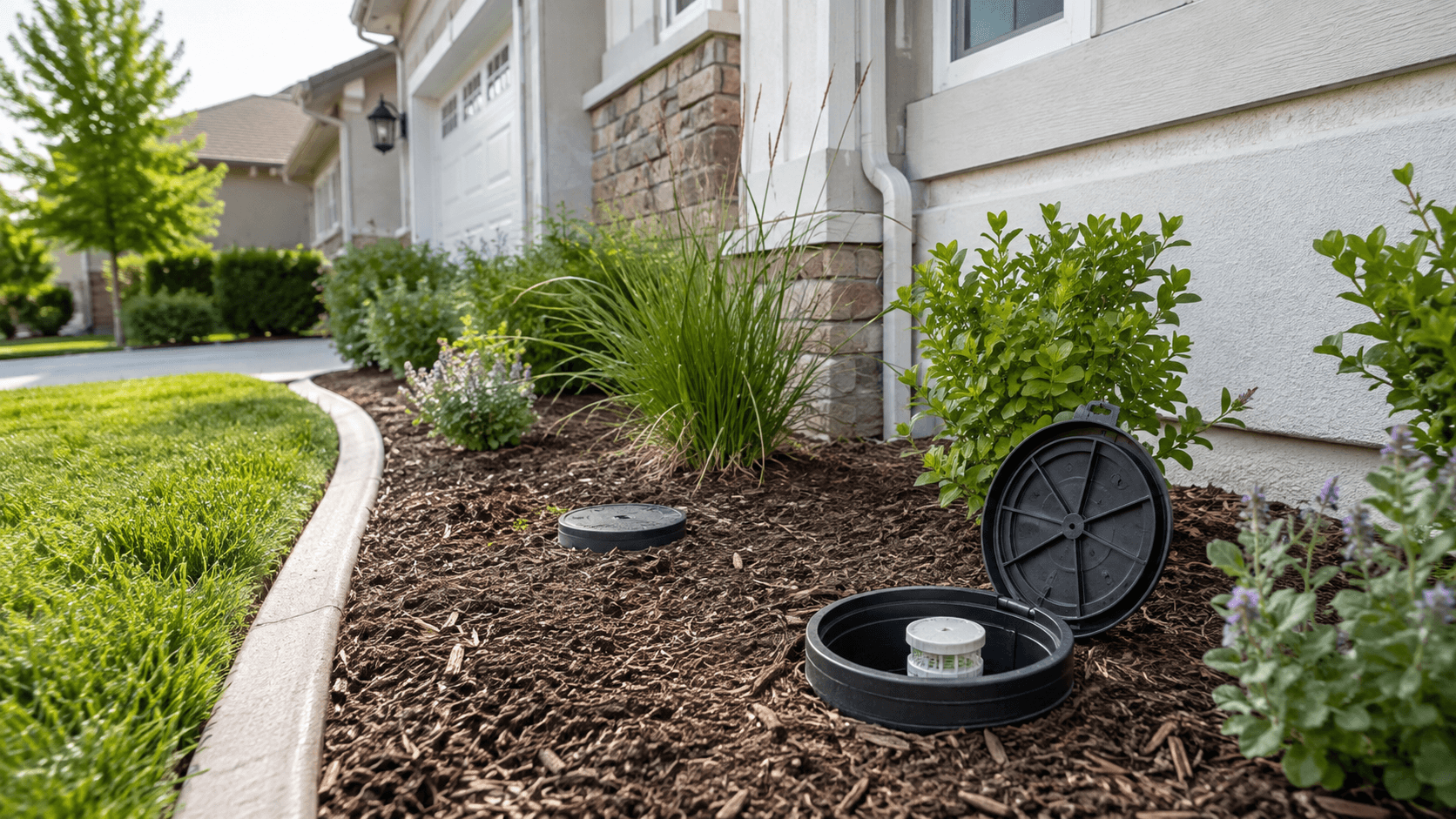
In-Ground Termite Bait Stations
Bait stations are installed in the soil around the structure. Foraging workers consume the bait and share it with other members of the colony. Bait systems work gradually and require scheduled monitoring to check consumption and maintain the stations.
Why Fumigation Is Not Used: Whole-structure fumigation does not control subterranean termites because the main colony remains underground, outside the enclosed building. Fumigation is intended for drywood termites living entirely within the structure.
The inspection findings determine which method is appropriate and which areas must be included in the treatment scope.
How to Prevent Subterranean Termites Around Your Home
Preventing subterranean termites starts at ground level. Keep structural wood separated from soil, leave the foundation visible for inspection, and correct moisture problems that allow termites to remain active near the building.
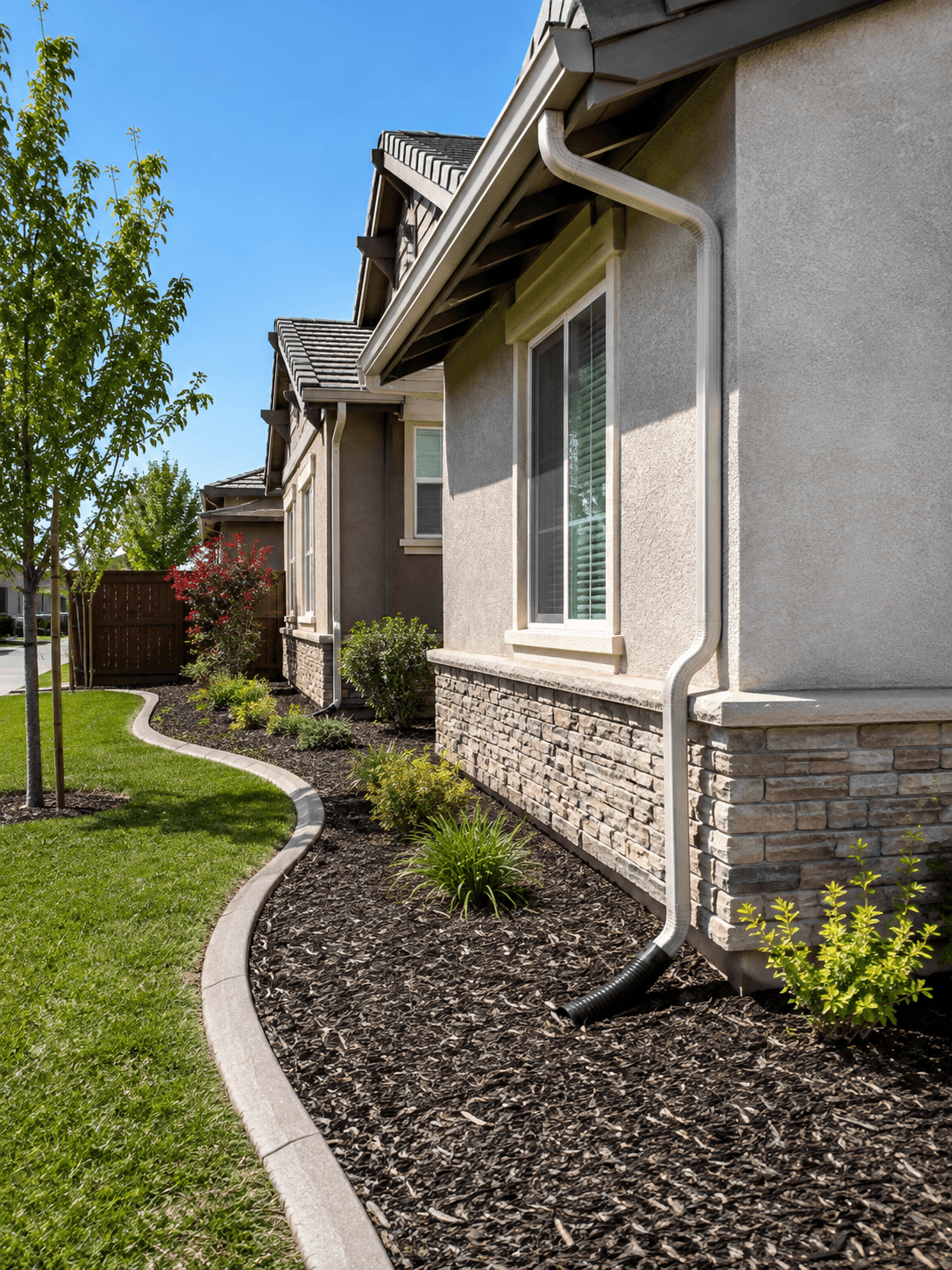
- Keep soil, mulch, and landscaping below wood siding, stucco edges, door frames, and other exterior finishes.
- Repair foundation cracks and seal openings around pipes, drains, conduit, and utility lines.
- Direct irrigation, gutters, and downspouts away from the foundation.
- Repair plumbing leaks and remove standing water from crawlspaces and foundation areas.
- Remove buried lumber, tree stumps, wood debris, and untreated posts near the structure.
- Store firewood and building materials above the ground and away from the home.
- Keep crawlspace vents open and remove debris that limits access to the foundation.
- Use pressure-treated or termite-resistant materials where wood must remain close to the soil.
These steps reduce access and make new activity easier to detect. They do not eliminate an established subterranean termite colony or replace professional treatment.
Schedule a Subterranean Termite Inspection
Frequently Asked Questions
Yes. Subterranean termites are found throughout California, including Sacramento and the Central Valley. Colonies live in the soil and can reach buildings wherever they find moisture, wood, and a protected route through or over the foundation.